
Where our fish comes from
The Lamu archipelago
Every fish Kumbatia sells is landed by one of a small number of communities between Lamu Island and the Somali border. Tap a landing site to see who fishes there, what gear they use, and what species they target.
Coastline traced from GSHHG full-resolution shoreline data.
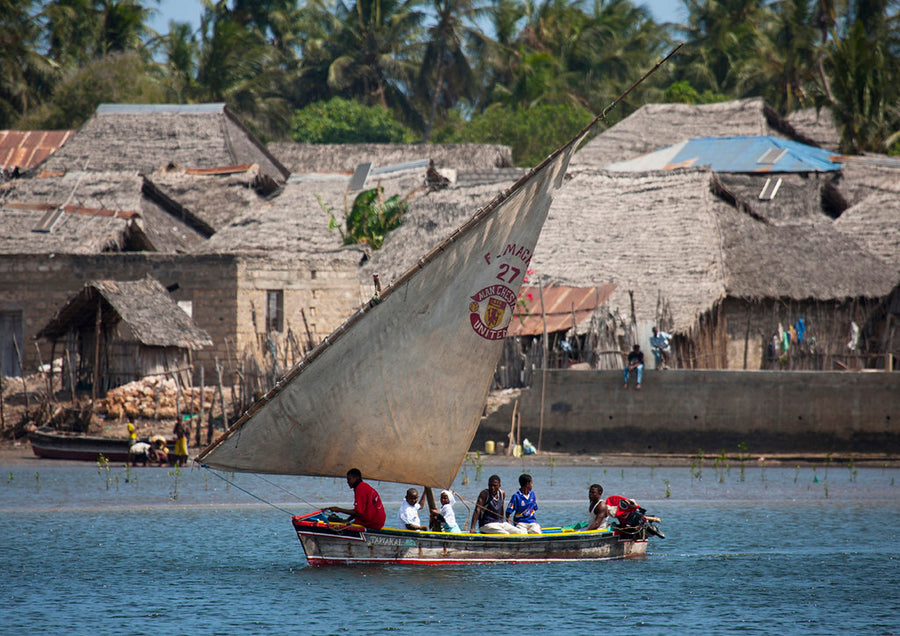
Matondoni
Species
Black tiger prawns, banana prawns
Gear
Cast net, Kidima na Kimia
Fleet
Fibreglass skiffs and wooden Swahili dhows, both equipped with 15 HP Yamaha motors.
Matondoni sits on the northwest shore of Lamu Island, where the land breaks into mangrove creeks that fill and drain with the tide. The village of around 3,000 people is known for its dhow builders, and the community protects a 450-hectare mangrove forest through a Forest Association with the Kenya Forest Service.
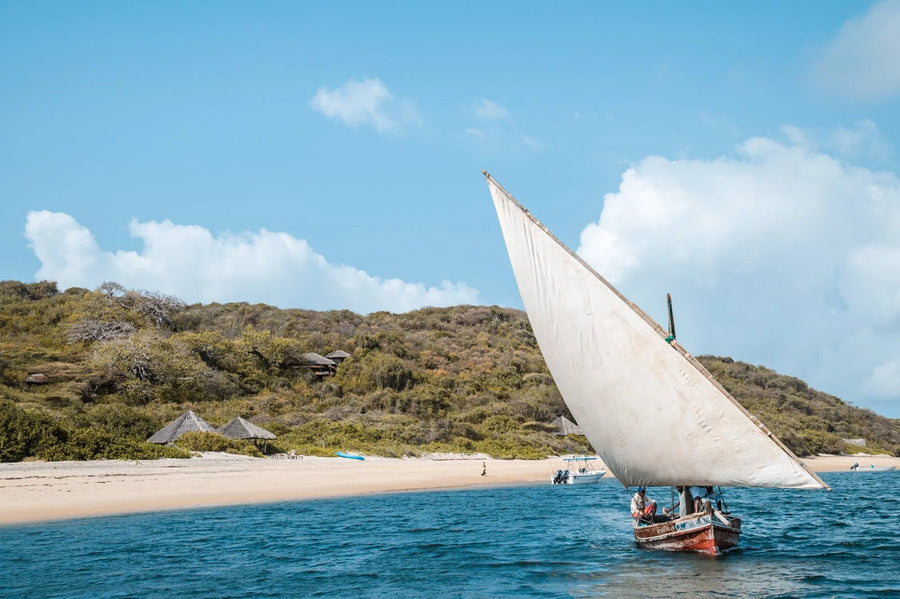
Kiwayu
Species
Reef fish, pelagic fish, octopus
Gear
Line-based, Spearing, Free Diving
Fleet
Fibreglass skiffs and wooden Swahili dhows, both equipped with 15 HP Yamaha motors.
Kiwayu is a long, narrow island inside the Kiunga Marine National Reserve, with villages on both its sheltered and ocean-facing shores. It is entirely off-grid, with no electricity, and fishing is the main livelihood.
Kiunga
Species
Reef fish, pelagic fish, octopus, lobster
Gear
Line-based, Spearing, and Free Diving
Fleet
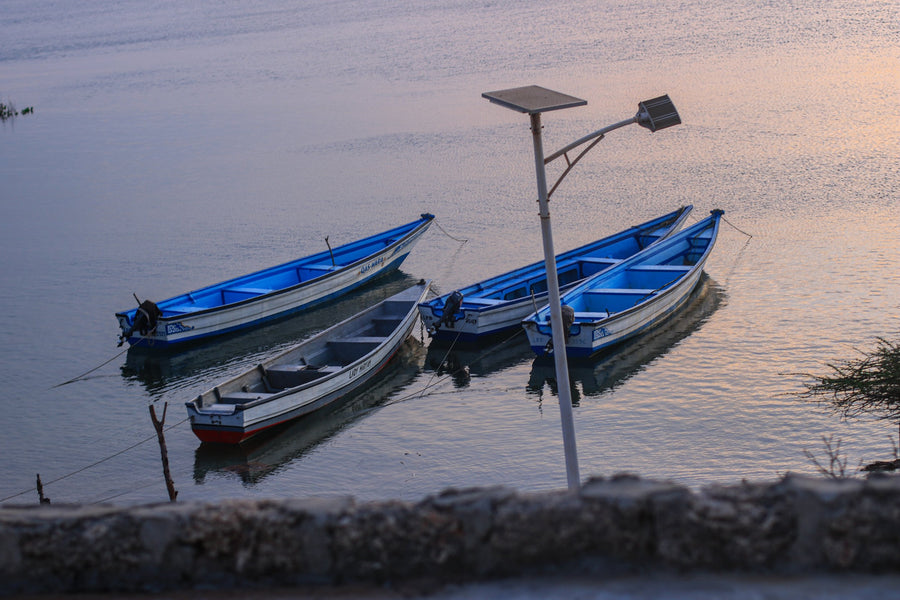
Fibreglass skiffs and wooden Swahili dhows, both equipped with 15 HP Yamaha motors.
Kiunga is the last major settlement before the Somali border, at the northern edge of the Kiunga Marine National Reserve. It is remote and strikingly beautiful. Because the road through the Boni Forest remains insecure, logistics are all done by sea. The local community conservancy, the Kiunga Community Wildlife Association (KICOWA), works with fishers here to protect the surrounding reefs and fisheries. There is a strong military presence in the area.
Lamu and its people
Fishing and tourism are the two main industries. The Lamu archipelago is home to many communities, including the Bajuni, Swahili, Aweer (Boni), Sanye, Orma, Pokomo, Giriama, Kikuyu, Somali and Arab peoples. Many have also arrived as refugees, including fishing families displaced from southern Somalia who have since made Lamu their permanent home.
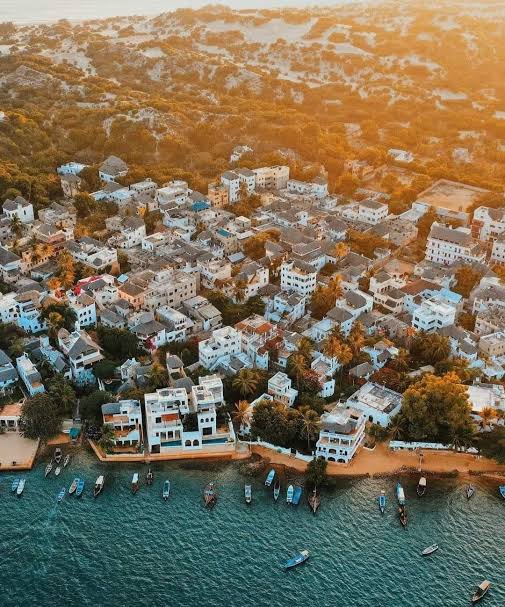
The archipelago was once a patchwork of rival city-states and sultanates, among them Lamu and Pate. For centuries, its people have traded and intermarried with Arabs, Indians, Chinese and other Africans. Lamu Old Town is a UNESCO World Heritage Site and the oldest and best-preserved living Swahili settlement on earth.
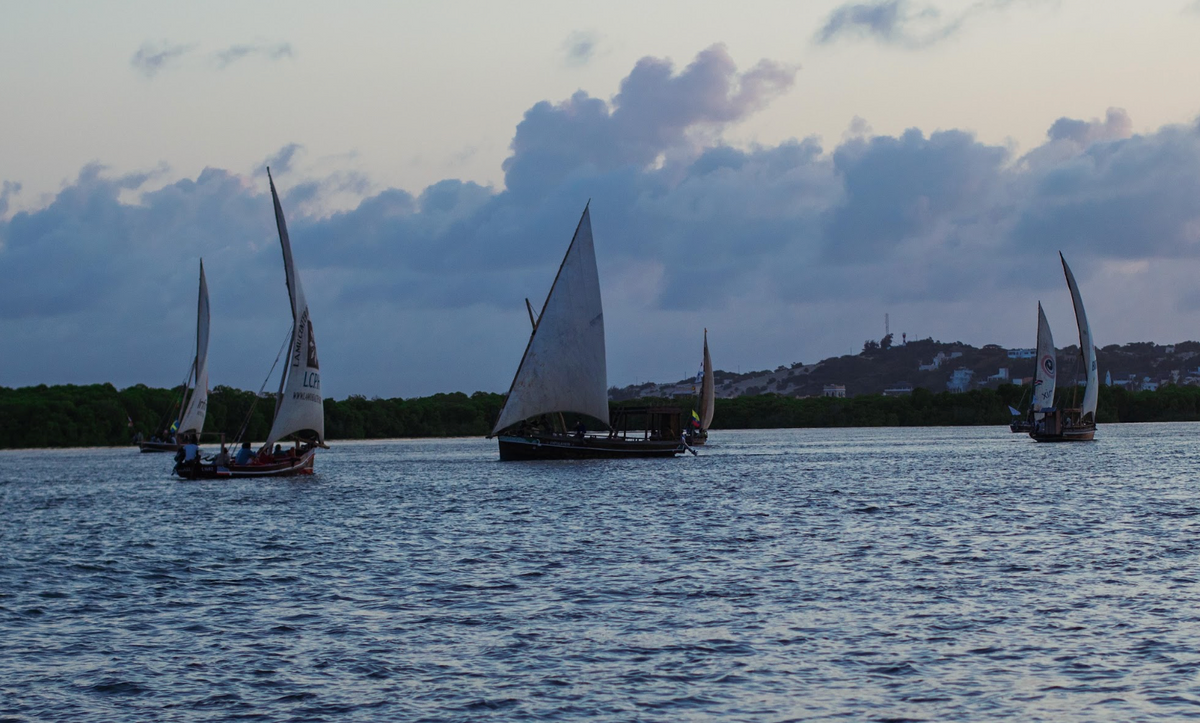
Life here has always revolved around the sea, from dhow building in villages like Matondoni to the dhow races of the Lamu Cultural Festival. Fishing and tourism are the two main industries

FISHING BY WIND AND MOON
The fishing year follows two monsoons. Kaskazi, the northeast monsoon, brings calmer seas from around November to March and is the main fishing season. Kusi, the southeast monsoon, brings rough seas from around April to August, when many fishers farm instead. Bajuni fishers also work to the moon and the wind, fishing sheltered creeks and channels while the monsoon blows and heading to open sea when it drops, following a calendar passed down through generations.
THE FOOD
Lamu's cuisine is seafood-heavy Swahili cooking, rich in coconut and spice and shaped by centuries of trade with Arabia, India, Somalia and beyond. It is world-class, and still deeply underappreciated.


THE PRESSURE NOW
Lamu also faces real challenges. Many fishers worry about overfishing and declining catches, poverty remains widespread, and parts of the county near the Boni Forest and the Somali border are still insecure. Large infrastructure projects in the county are bringing rapid change and, with it, both opportunity and uncertainty.
WHO WE WORK WITH
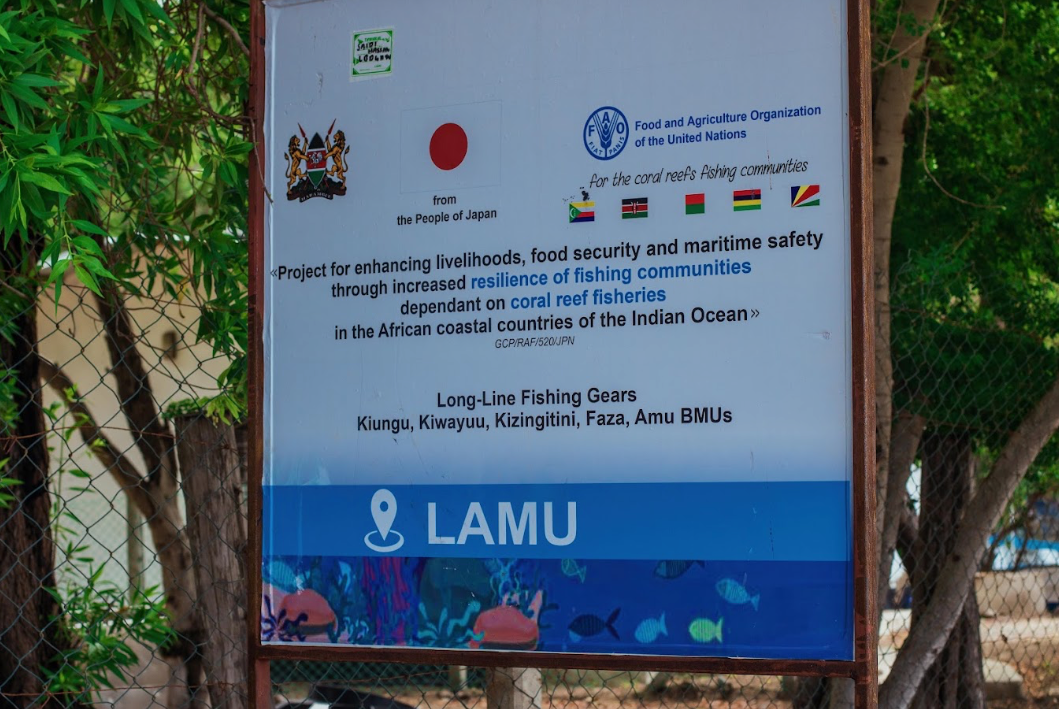
Lamu has a strong network of conservation and livelihood organisations, and we work closely with many of them. These include The Nature Conservancy, Fauna & Flora, the Northern Rangelands Trust, and two local community conservancies, the Kiunga Community Wildlife Association (KICOWA) and the Pate Marine Community Conservancy (PMCC), amongst others.
Our partners


